

Master the Art of Brewing Loose Leaf Tea
- Tea Herbology
- Jul 18, 2025
- 4 min read
Brewing loose leaf tea is both an art and a science. It requires a blend of technique, timing, and a pinch of passion. The results can be quite rewarding, offering a flavor profile that often surpasses bagged varieties. In this guide, we will explore how to brew the perfect cup, taking you from selecting the right tea to understanding various brewing methods.
Understanding Perfect Loose Leaf Tea
Loose leaf tea is generally considered superior to bagged tea for several reasons. First, loose leaf tea leaves are larger and offer a more complex flavor. They can expand fully during the brewing process, which allows the essential oils and flavors to be released into the water. In contrast, the smaller leaves in bagged tea are often crushed and don’t provide the same rich notes.
Moreover, loose leaf tea is known for its freshness. Many tea lovers find that the taste of loose leaf tea can vary depending on the harvest, which gives enthusiasts a chance to experience a wide range of flavors and aromas.

The Essentials for Brewing Loose Leaf Tea
Before diving into brewing techniques, it's crucial to gather your tools and ingredients. Here’s what you will need:
Quality Loose Leaf Tea: Choose high-quality, fresh loose leaf tea. Green, black, oolong, white, or herbal teas can all be great options.
Tea Infuser or Strainer: While not mandatory, a good infuser can enhance flavor extraction.
Teapot or Kettle: A vessel that can maintain temperature is helpful.
Fresh Water: Filtered or spring water can make a significant difference in taste.
Thermometer: Optional, but it can help you achieve the perfect temperature for each tea type.
Recommended Leaf-to-Water Ratio
The rule of thumb for brewing loose leaf tea is to use about 1 teaspoon of tea leaves for every 8 ounces of water. However, this can vary according to personal preference and the specific type of tea being brewed.
For example:
Black Tea: 1 teaspoon per 8 ounces
Green Tea: 1-2 teaspoons per 8 ounces
Oolong Tea: 1-2 teaspoons per 8 ounces
Herbal Tea: 1-2 teaspoons per 8 ounces
Finding your preferred strength may take a few tries, but it is worthwhile for the perfect cup.
How Do You Brew Loose Leaf Tea Without an Infuser?
If you don't have an infuser, don’t worry! There are plenty of alternative methods for brewing loose leaf tea that can produce an equally satisfying result. Here are two effective methods:
Option 1: The Manual Straining Method
Boil Water: Heat your water to the appropriate temperature for the type of tea you are using.
Add Loose Leaves to a Cup: Place 1-2 teaspoons of loose tea into your cup or teapot.
Pour Water Over Leaves: Pour hot water directly over the leaves.
Steep: Allow the tea to steep for the recommended time. This varies based on the type of tea; typically, it's between 3-5 minutes.
Strain: Once steeped, carefully pour the tea into another cup, using a fine mesh strainer to catch the leaves.
Option 2: The Cold Brew Method
Cold brewing is a fantastic way to draw out subtle flavors:
Add Leaves to a Jar: Combine 1-2 tablespoons of loose leaf tea with cold or room temperature water in a jar.
Steep Overnight: Cover and let it steep in the fridge for 8-12 hours, depending on your flavor preference.
Strain and Enjoy: Use a strainer to separate the leaves and pour the tea into a glass.
The Brewing Process for Different Types of Tea
Understanding the brewing process for various types of tea helps you make the most of your leaves. Each type has unique requirements regarding temperature and steeping time.
Black Tea
Temperature: 200-212°F (boiling water is ideal)
Steep Time: 3-5 minutes
Flavor Profile: Bold and robust, often malty or fruity.
Green Tea
Temperature: 160-185°F
Steep Time: 2-3 minutes
Flavor Profile: Grassy, light, and refreshing.
Oolong Tea
Temperature: 190-205°F
Steep Time: 4-7 minutes
Flavor Profile: Floral, smooth, ranging from light to dark.
White Tea
Temperature: 160-185°F
Steep Time: 4-5 minutes
Flavor Profile: Delicate and sweet, with floral notes.
Herbal Tea
Temperature: 200-212°F
Steep Time: 5-7 minutes
Flavor Profile: Varies widely, often aromatic and soothing.

Troubleshooting Common Issues in Brewing
Even with the best intentions, brewing tea can occasionally go awry. Here are common issues and how to fix them:
Too Bitter: If your tea tastes bitter, it may have steeped too long or been brewed at too high a temperature. Try adjusting the time or using slightly cooler water.
Weak Flavor: If the tea is not flavorful enough, consider using more tea leaves, ensuring the water is hot enough, and steeping longer if needed.
Sediment at the Bottom: This is common when tea leaves are brewed without an infuser. To alleviate this, use a fine mesh strainer when pouring your tea.
Unpleasant Aroma: Old tea can lose its character. Always check the freshness of your leaves before brewing to enhance the experience.
Enjoying Your Tea
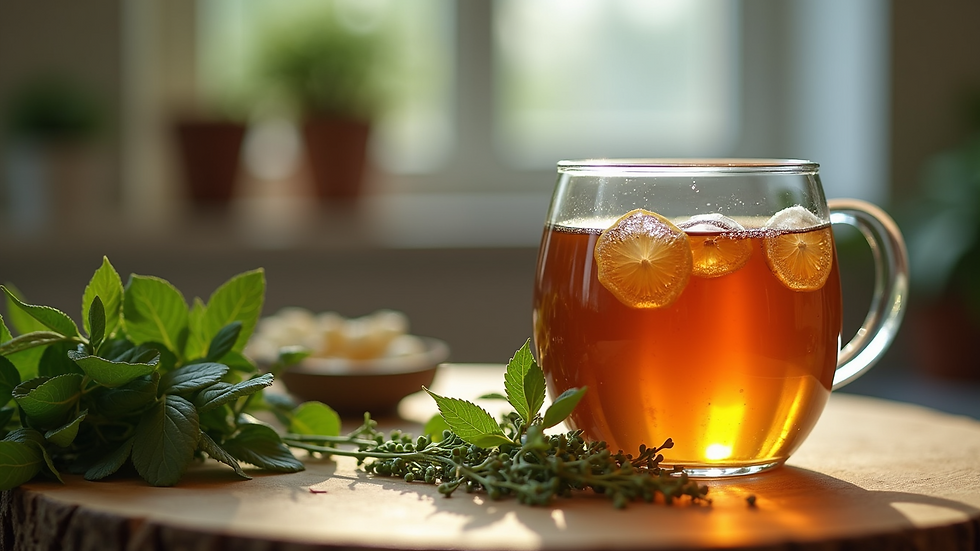
Once your loose leaf tea is brewed to perfection, take a moment to appreciate the aroma and color before sipping. Engaging all your senses can elevate the experience. Consider trying your tea with a variety of pairings — a slice of lemon for black tea or honey with green.
Moreover, explore blending different flavors. Mixing white tea with a hint of jasmine or oolong with a splash of fruit can result in a delightful new beverage.
Embrace the gentle art of loose leaf tea brewing, and enjoy each cup as a moment of tranquility amid your busy life. Through practice and exploration, you will not only master tea brewing but also gain an enriched appreciation for this ancient beverage. Let your instincts guide you as you enjoy the flavors, aromas, and moments of connection that every cup of tea can bring.


Comments