

Top Herbal Teas to Help You Relax and Unwind
- Tea Herbology
- Jun 16, 2025
- 5 min read
In today's fast-paced world, finding moments of peace and tranquility can be a challenge. Stress and anxiety often take center stage in our daily lives, making it essential to discover effective ways to relax. One simple yet powerful solution lies in the comforting embrace of herbal teas. These delightful brews not only satisfy your taste buds but also provide numerous benefits for your body and mind. In this post, we will explore the top herbal tea options that can help you relax and unwind.
Relaxing Herbal Tea Options
Imagine curling up with a warm cup of tea at the end of a long day. Herbal teas have been used for centuries for their calming effects. They can alleviate stress, enhance mood, and promote better sleep. Here are some of the best herbal teas for relaxation:
1. Chamomile Tea
Origin: Europe & Middle East

Chamomile tea is a classic choice for relaxation. Known for its soothing properties, this floral tea can help reduce anxiety and promote sleep. Chamomile contains an antioxidant called apigenin, which binds to certain receptors in your brain, leading to a calming effect.
To brew chamomile tea, steep one bag or a teaspoon of loose flowers in hot water for about five minutes. Enjoy it plain or add a touch of honey for sweetness. Consider sipping chamomile tea in the evening as part of your winding down routine.
2. Lavender Tea
Origin: Mediterranean

Lavender tea is another fantastic herbal option for those seeking relaxation. The aromatic properties of lavender are known for their calming effects, making this tea perfect for unwinding after a hectic day. Inhaling the scent of lavender has been shown to lower heart rate and blood pressure, further enhancing its relaxing benefits.
To prepare lavender tea, steep dried lavender flowers in boiling water for about seven to ten minutes. You can drink it hot or cold, making it a versatile herbal tea for any season.
3. Lemon Balm Tea
Origin: Eastern Mediterranean & Europe

Lemon balm tea, derived from the lemon balm plant, is a refreshing herbal option that can ease stress and promote relaxation. This member of the mint family has a mild lemon scent that adds a zesty twist to your tea experience. Studies suggest that lemon balm can help improve mood and cognitive function, making it a great addition to your relaxation routine.
For a soothing cup of lemon balm tea, steep the leaves in hot water for about five minutes. Whether you drink it in the morning or evening, you'll find its light and refreshing flavor rejuvenating.
4. Passionflower Tea
Origin: Central & South America

Passionflower tea is known for its ability to reduce anxiety and promote a restful night’s sleep. The active compounds in passionflower, particularly flavonoids, have sedative qualities that can help ease racing thoughts. This makes it an excellent choice for those who experience restlessness before bed.
To prepare passionflower tea, use dried leaves or tea bags and steep them in hot water for about ten minutes. Enjoy it as part of your bedtime ritual to send you off to sleep feeling warm and cozy.
5. Peppermint Tea
Origin: Europe & North America
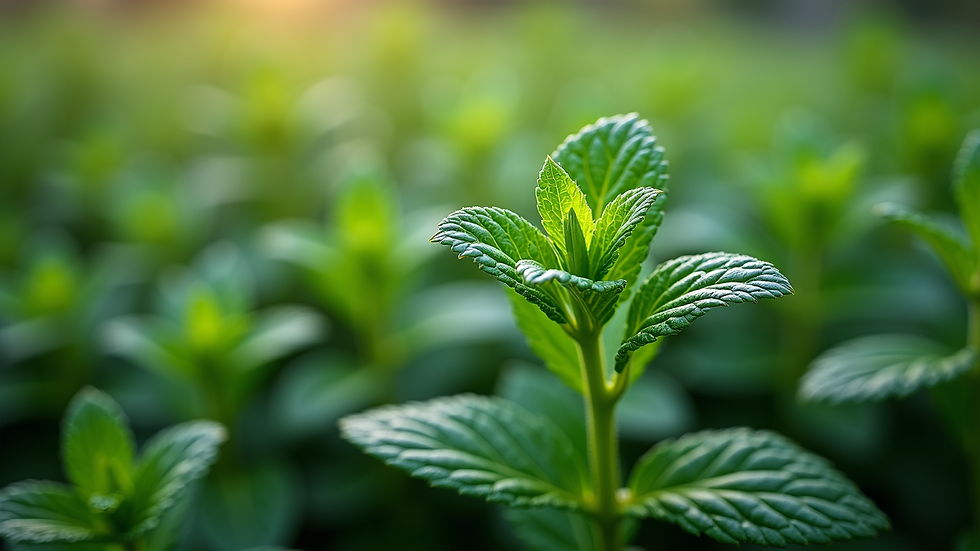
While peppermint tea might not be the first choice that comes to mind for relaxation, its soothing properties can indeed help calm the mind. The menthol in peppermint can help relieve tension headaches and muscle pain, contributing to a more relaxed state of mind. Additionally, the fresh aroma of peppermint can boost your mood and improve focus.
For a refreshing cup of peppermint tea, simply steep fresh mint leaves or tea bags in hot water for about five minutes. Enjoy a cup in the afternoon or evening to help unwind after a busy day.
6. Rooibos Tea
Origin: South Africa

Rooibos tea is not only caffeine-free but also packed with antioxidants, making it an ideal choice for relaxation. This herbal tea from South Africa has a natural sweetness and a rich, earthy flavor that many find comforting. Rooibos can also help reduce stress and improve sleep quality due to its calming properties.
To brew rooibos tea, steep the leaves in boiling water for about five to seven minutes. You can enjoy it plain, or add a splash of milk or a slice of lemon for added flavor.
7. Valerian Root Tea
Origin: Europe & Asia

Valerian root tea is often referred to as a natural sleep aid. It has been used for centuries to reduce anxiety and improve sleep quality. The compounds in valerian work by increasing the level of gamma-aminobutyric acid (GABA) in the brain, which can help calm the nervous system.
For steeping, use dried valerian root, which can be found in tea bags or bulk form. Allow it to steep for about 10-15 minutes in hot water. Valerian has a strong flavor, so consider adding honey or lemon to enhance your drinking experience.
8. Green Tea
Origin: Japan

Although green tea does contain some caffeine, it also contains L-theanine, an amino acid that promotes relaxation and stress relief. This combination allows you to enjoy the benefits of increased focus without the jitters associated with caffeine consumption. Many people find drinking green tea calming, making it a great option for any time of day.
To prepare, steep green tea leaves or bags in hot water for approximately 3-5 minutes. Pair it with a light snack for a boost of energy and relaxation.
Tips for Making the Most of Herbal Teas
Brewing a cup of herbal tea is simple, but making the experience more enjoyable can enhance its calming effects. Here are some practical tips:
Use Fresh Ingredients: Whenever possible, use dried herbs to brew your tea. This can elevate the flavor and potential health benefits. If fresh herbs aren’t available, look for high-quality dried options.
Experiment with Blends: Don't hesitate to combine different herbal teas to create unique blends. For instance, mixing chamomile and lavender can enhance relaxation.
Savor the Aroma: Take a moment to inhale the scent of your brewing tea. Aromatherapy plays a vital role in relaxation, and taking time to enjoy the aroma can boost your experience.
Create a Relaxing Environment: Set the mood by dimming the lights, playing soft music, or lighting a scented candle while you enjoy your tea.
Make it a Ritual: Consistently enjoying herbal teas at the same time each day can create a comforting routine. Whether it's morning, afternoon, or evening, having a tea ritual can help signal to your body that it’s time to relax.
Incorporating herbal teas into your daily routine can provide an effective way to manage stress and enhance relaxation.
Discover More Herbal Teas for Relaxation
With so many options available, it's easy to find a herbal tea that suits your taste and relaxation needs. As you explore different flavors and benefits, remember to give yourself permission to unwind and recharge.
For a wider selection of herbal teas for relaxation, visit Tea Herbology. They have a fantastic variety of herbal teas that can help you find the perfect blend for your relaxation journey.
By integrating relaxation-enhancing herbal teas into your life, you can take a proactive step toward better mental health and well-being. So go ahead—choose a tea, sip slowly, and let yourself unwind.


Comments